Your Comprehensive Resource for Landscaping Services: Building, Maintaining, and Beautifying Your Outdoor Space
Landscaping services play an essential role in transforming outdoor spaces. They encompass everything from preliminary design to continuous maintenance. Understanding the basics of these services can enable homeowners establish a functional and attractive environment. Key factors such as plant selection, structural features, and seasonal upkeep are important for success. As the journey progresses, various strategies emerge that can substantially elevate any landscape. What might those strategies be?
Understanding Landscape Services: What You Need to Know
Even though several homeowners enjoy the attractive appearance of a meticulously kept yard, they may not fully understand the variety of landscaping services available. Landscaping encompasses a range of tasks, from design and installation to maintenance and restoration. This can include offerings such as planting trees, shrubs, and flowers, creating garden beds, and laying sod or artificial turf. Moreover, hardscaping elements like patios, walkways, and retaining walls also are included in these services, enhancing outdoor practicality and visual appeal.
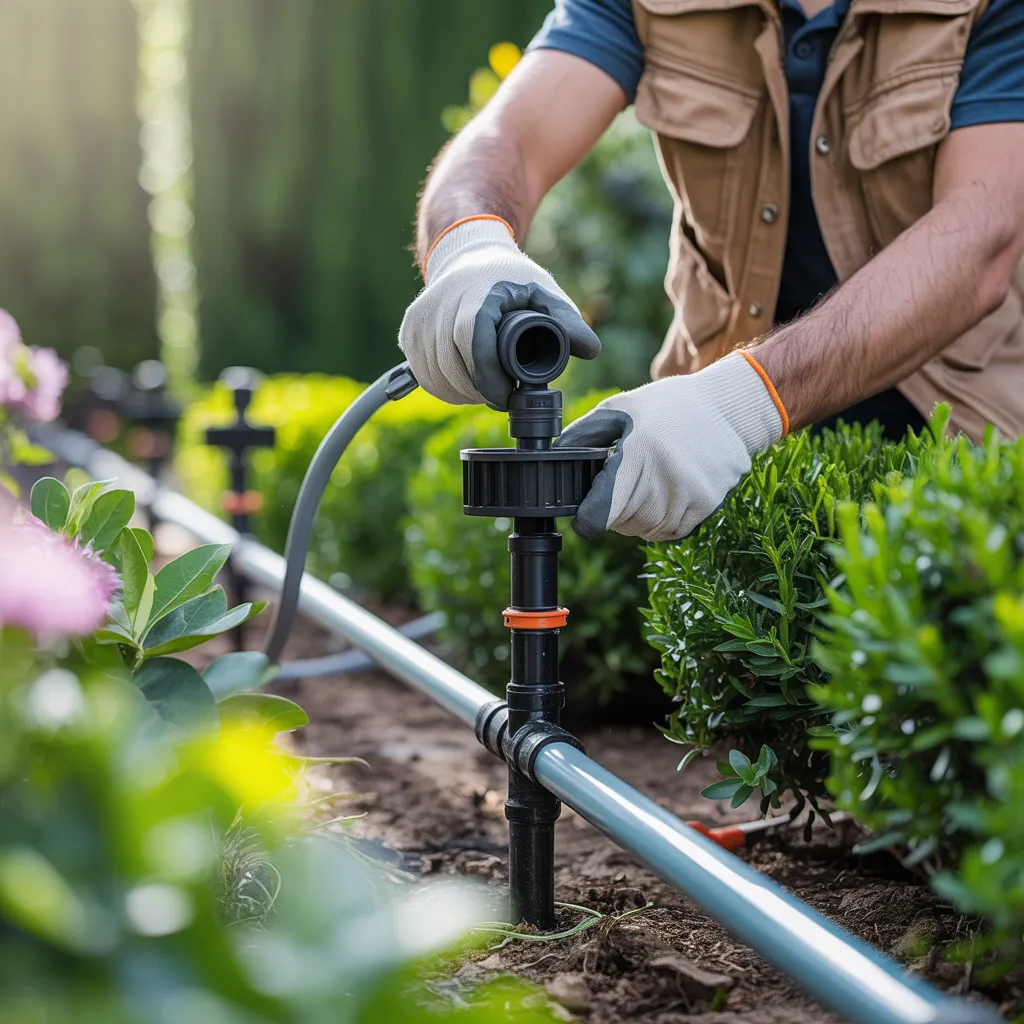
Essential components of effective landscaping include irrigation systems and drainage solutions, making certain that plants obtain proper water while stopping flood conditions. Seasonal maintenance services, such as lawn mowing, pruning, and mulching, help keep outdoor spaces looking pristine year-round. Understanding these diverse offerings can empower homeowners to make informed decisions, tailoring their landscaping projects to meet their unique needs and preferences while maximizing the beauty and value of their properties.
Dream Garden Planning: Important Factors to Consider
When designing a dream garden, multiple key factors come into play. It is essential to assess the available space, choose suitable plants that thrive in the environment, and design a functional layout that elevates both aesthetics and usability. These elements work together to create a integrated and delightful outdoor space.
Evaluating Your Space
To create a dream garden, one must first evaluate the available space carefully. This assessment entails measuring the area, examining sunlight exposure, and identifying existing features such as trees, slopes, and soil quality. Understanding the microclimates within the space is crucial, as different sections may receive fluctuating amounts of light and moisture. Moreover, examining the surrounding environment, including nearby properties and local wildlife, can impact design choices. Accessibility should also be factored in, ensuring pathways and seating areas are functional and inviting. By taking these factors into account, one can create a solid foundation for designing a garden that blends with its surroundings while meeting personal stylistic and functional needs.
Selecting Suitable Plants
How can one select the right plants to improve their garden's visual appeal and usefulness? First of all, it is important to evaluate the local climate and soil conditions, as plants need to thrive in specific environments. Selecting native plants can be useful, as they are accustomed to the local ecosystem and require less maintenance. Also, the gardener should evaluate the amount of sunlight the area receives throughout the day, as this will dictate which plants are suitable. Another consideration is the desired aesthetic; a combination of colors, textures, and heights can create visual interest. In conclusion, it is important to account for the growth habits of plants, ensuring they have ample space to flourish without overcrowding.
Crafting Purposeful Layout
Selecting the right plants establishes the foundation for a lovely garden, but a thoughtfully designed layout is equally crucial for maximizing both beauty and functionality. A functional design considers pathways, seating areas, and plant placement to guarantee ease of movement and accessibility. Carefully placed walking paths can guide visitors through the space, while seating areas offer spots for relaxation and enjoyment. Moreover, grouping plants by their water and sunlight demands improves maintenance efficiency. Incorporating features like raised beds or vertical gardens can optimize space in smaller areas. Furthermore, adding focal points, find out about this such as sculptures or water features, creates visual interest. Finally, a balanced layout balances aesthetics with practicality, transforming a garden into a serene outdoor haven.
Selecting the Perfect Plants for Your Local Climate and Soil Conditions
Understanding the unique characteristics of a particular climate and soil type is vital for successful landscaping, as these factors greatly influence plant health and growth. Each region has its own climate conditions, including temperature fluctuations, rainfall patterns, and sunlight exposure, which determine which plants prosper. Moreover, soil composition—such as pH level, drainage, and nutrient content—affects root development and overall plant vigor.
To pick the right plants, one must study local flora that is appropriate to the climate and soil. Native plants are typically a reliable choice, requiring less water and maintenance. Additionally, working with local horticulturists or landscape professionals can deliver valuable insights into appropriate plant selections. By matching plant choices with environmental conditions, individuals can create a eco-friendly and vibrant landscape that flourishes throughout the seasons, eventually elevating the beauty and functionality of outdoor spaces.
Transforming Your Landscape By Adding Features and Focal Points
Improving a landscape involves adding multiple features and focal points that can enhance its overall appeal. Landscape lighting options can create ambiance and accentuate particular areas, while water features bring tranquility and attract wildlife. Together, these elements transform outdoor spaces into inviting retreats.
Landscape Illumination Choices
A range of landscape lighting choices can transform outdoor spaces into stunning environments, highlighting features and creating focal points that elevate the overall aesthetic. Pathway lights provide safety and elegance, guiding visitors through gardens and yards. Uplighting can emphasize trees, sculptures, or architectural elements, creating bold shadows and depth. Spotlights focus attention on specific features, while downlights simulate moonlight, delivering a serene ambiance. String lights add a whimsical touch, excellent for patios or outdoor dining areas. Solar lights provide an eco-friendly solution, requiring no wiring and offering flexibility in placement. By merging different lighting techniques, homeowners can craft an inviting atmosphere that showcases their landscape's beauty and functionality, making it enjoyable both day and night.
Water Features Benefits
Incorporating water features into a landscape design can significantly elevate the total appeal and ambiance of outdoor spaces. These elements, such as fountains, ponds, and waterfalls, not only serve as stunning focal points but also create a tranquil atmosphere. The sound of flowing water can mask unwanted noise, promoting relaxation and enhancing the outdoor experience. Furthermore, water features attract wildlife, including birds and beneficial insects, adding to a vibrant ecosystem. They can also improve air quality and humidity levels, making the environment more pleasant. Furthermore, water features can boost property value, appealing to potential buyers seeking a serene retreat. All in all, thoughtfully placed water features can transform an ordinary landscape into an extraordinary sanctuary.
Ongoing Care: Maintaining Your Exterior Space Flourishing
Regular maintenance acts as the backbone of a lively outdoor space, ensuring that gardens, lawns, and landscaping features remain beautiful and well-maintained. Regular tasks such as mowing, pruning, and fertilizing play crucial parts in encouraging development and avoiding illness. A well-maintained lawn not only increases aesthetic value but also provides a safe environment for recreational activities.
Controlling weeds is vital in maintaining the integrity of flower beds and vegetable gardens, as nutrient competition may impede plant maturation. Using mulch helps preserve soil moisture and prevents weed growth, promoting a thriving landscape. Furthermore, periodic assessments of irrigation systems and drainage solutions avert water-related concerns that could compromise plants.
Ongoing care establishes a setting where greenery can prosper, making continuous care vital for developing a beautiful and sustainable outdoor space. By committing to these tasks, homeowners can relish a vibrant landscape throughout the seasons.
Seasonal Strategies for Landscaping Achievement
How might homeowners effectively adjust their landscaping methods throughout the year? Changing seasons require specific approaches to guarantee optimal outdoor aesthetics and health. In spring, homeowners should focus on planting flowers, pruning trees, and applying fertilizer to stimulate growth. This is also an ideal time for overseeding lawns and preparing garden beds.
Summer demands consistent watering and mulching to keep moisture and suppress weeds. Regular mowing is crucial to maintain the health and appearance of your lawn.
When fall comes, homeowners should consider planting perennials, raking leaves, and cleaning up debris to prepare for winter. This is also the perfect opportunity to fertilize the lawn and garden for winter strength.
Throughout the winter months, safeguarding efforts are crucial. Property owners should protect delicate vegetation, look for frost damage, and schedule their gardening endeavors for the next season, facilitating a successful shift into spring.
FAQ
What Steps Should I Take to Find a Reputable Landscaping Contractor?
To find a reputable landscaping contractor, it's recommended to ask for recommendations, examine online reviews, verify credentials, request quotes, and guarantee clear communication related to expectations and timelines. Performing interviews can also help determine professionalism and expertise.
What Costs Come With Landscaping Services?
Landscaping services typically involve costs for design work, materials, labor costs, and ongoing care. Prices can vary considerably based on project size, complexity, and location, with usual investments ranging from a few hundred dollars to several thousand.
Do You Offer Sustainable Landscaping Solutions?
Sustainable landscaping choices are readily available. Options feature region-appropriate plants, xeriscaping, natural gardening methods, rainfall collection gardens, and organic waste recycling. These techniques support sustainability, reduce water, and bolster indigenous environments while improving the appearance of outdoor spaces.
What's the Best Way to Prepare My Yard for Winter?
To ready a yard for winter, one should remove debris, aerate the soil, apply mulch, shield delicate plants with covers, and ensure proper drainage to prevent water accumulation, consequently safeguarding the landscape for spring growth.
What Permits Are Needed for Landscaping Projects?
For landscaping work, you may need permits for removing trees, major grading work, or constructing structures. Because regulations vary locally, consulting your municipality or zoning office is vital to verify compliance with all needed permits.